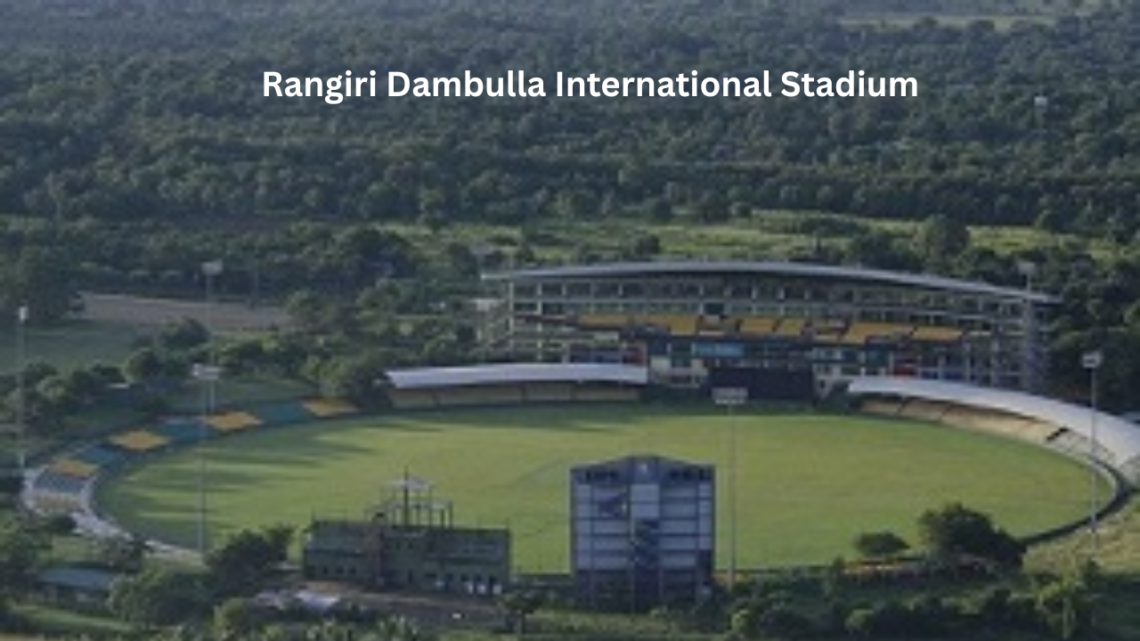
Rangiri Dambulla International Stadium – This is one of the most unique cricket grounds in the world and a major sporting venue in Sri Lanka. The stadium is situated in the ancient city of Dambulla, decorated with natural beauty, rock scenery and traditional sites of Sinhalese Buddhists. It had previously hosted several international cricket games since its opening in 2001 which included ODIs, T20Is and plenty of matches during the most important ICC tournaments. The ground is known for its beautiful surroundings, modern facilities, and huge landmark in Sri Lankan cricket
Rangiri Dambulla International Stadium Overview Table
| Feature | Details |
|---|---|
| Stadium Name | Rangiri Dambulla International Stadium |
| Location | Dambulla |
| Country | Sri Lanka |
| Established | 2001 |
| Opened | March 2001 |
| Owner | Sri Lanka Cricket |
| Operator | Sri Lanka Cricket |
| Seating Capacity | Approximately 16,800 spectators |
| Playing Surface | Natural Grass |
| Floodlights | Yes |
| Ends | Clock End and Scoreboard End |
| First International Match | Sri Lanka vs England ODI (March 23, 2001) |
| Primary Use | International and Domestic Cricket Matches |
| Pitch Type | Generally Spin-Friendly |
| Famous For | Scenic surroundings and dry playing conditions |
| Nearest Major City | Colombo (about 148 km away) |
| Nearby Attraction | Dambulla Cave Temple |
| ICC Tournament Hosted | ICC Cricket World Cup 2011 |
| Construction Time | Approximately 167 days |
| Time Zone | Sri Lanka Standard Time (UTC +5:30) |
| Significance | One of Sri Lanka’s most picturesque international cricket venues |
Location and Geographical Importance
It is located about 148 kilometers northeast of Colombo in the central part of Sri Lanka. Dambulla’s part-consort is that it is the only one of Sri Lanka’s three international grounds not located in a major urban area, allowing many players to escape the traffic and noise while staying relatively accessible for most. The space is located neighbouring the UNESCO World Heritage committee-approved Dambulla Cave Temple known for its ancient Buddhist paintings and sculptures. Its dense, high hills and craggy rock formations provide such a stunning visual backdrop for the stadium that it has been deemed incredible viewing not only for fans at home but also on global television.
History of Construction
Rangiri Dambulla International Stadium started being built in the late 1990s to take international cricket out of Sri Lanka’s capital. The profile you have chosen is a relatively expansive patch of scrubland and rocks. In fact, the entire undertaking was finished in a relatively short time of 167 days. This brisk pace of construction exhibited Sri Lanka cricket authorities desire to build a global standard cricket ground in the country’s central province. Opened in March 2001, the stadium is a significant venue for international matches.
Meaning Behind the Name
The term “Rangiri” has cultural as well as religious significance. The name comes from the Golden Temple complex situated a few metres away, which ranks among Sri Lankans most sacred places of Buddhist pilgrimage. Rangiri is linked to the goldishied rock temple which overshadows Dambulla. The stadium embodies the cultural background of its corresponding area and connects sport with locals through this name.
Stadium Capacity and Facilities
Rangiri Dambulla International Stadium has a total capacity of around 16800 as far as spectators are concerned. This is compared to the fifty thousand that some of the world’s biggest stadiums have but this smaller Player has ideal conditions for fans watching. It comes with dressing rooms, media facilities, hospitality suites, commentary boxes and electronic scoreboards. Its compact size means fans are as close to the action) on the pitch as possible, maintaining an intimate feel during international matches. Regular upgrades have kept the ground as one of those cricket venues that is standard by international standards.
Unique Architectural Features
The most glaring aspect of the stadium, it is the harmonious relation with nature. Unlike most of the cricket grounds built in less open urban areas, Rangiri Dambulla International Stadium is surrounded by dense forests and hills. The rocky outcrops and temple structures in the vicinity provide a dramatic visual touch. The stadium includes a striking structure that celebrates simplicity whilst respecting the landscape of the area. This has made the ground one of the most photographed cricket venues in Sri Lanka.
Pitch Characteristics
The pitch in Dambulla has historically been perceived to be spin-friendly giving an edge to the spinners. As the matches go on, the surface becomes slower due to dry climatic conditions in a region. There is a reasonably good turn and grip on the surface, particularly as the long limited-overs encounters wear on; spin will almost certainly have an appreciable impact after the first half of a game. The pitch can also be helpful for the batters during the early overs, but if applied right they can score freely. The conditions in Dambulla often call for more spin options, so teams going there tend to think outside the square.
Climate and Playing Conditions
Compared to some other parts of Sri Lanka, Dambulla has a much drier climate. The Venue is known to be a Good Weather Destination for Scheduling International Cricket since Rains are less common in this weather pattern. It is sunny and warm almost every day of the year. Due to the dry conditions this tends to lead to the pitch and outfield being quite fast, leading to lots of runs being scored. These elements have contributed towards Dambulla being recognized as a dependable site for international tournaments.
First International Match
The stadium also opened its doors to international cricket in March 2001, the first match here taking place on March 23. The first-ever ODI was played between the Sri Lanka National Cricket Team and the England Cricket Team. The cricketing road for Dambulla as an international cricket venue began with this match. Its hosting so soon after its completion also bore testament to how confident the cricket administrators were over the quality of the new venue.
Role in International Cricket
Rangiri Dambulla International Stadium has seen many great international matches from top cricket-playing nations throughout the years. India National Cricket Team, Australia National Cricket Team, Pakistan National Cricket Team, South Africa National Cricket Team, New Zealand National Cricket Team and many teams have played on the ground. The ground had become a regular stop for bilateral series, as well as for multinational tournaments conducted in Sri Lanka.
Contribution to ICC Tournaments
Staging matches during the major ICC events gave the stadium an even greater global prominence. It was also one of the venues for the ICC Cricket World Cup 2011, hosting some matches during the group stages. Playing World Cup fixtures successfully will build up their reputation and demonstrate that they can host full blown events of international significance there. The picturesque nature of the venue was covered by international broadcasting institutions and this also added to the popularity of the event among cricket fans around the world.
Memorable Matches
Rangiri Dambulla International Stadium: Quite a few clashes have been memorable at this venue over the years. The years went on and fans have seen sensational chasing, brilliant bowling displays, last-over nail-biters. The venue provides a level playing field making the fixtures highly competitive by nature. Local fans following such victories at Dambulla cherished memories – yet visiting teams also have some memorable performances on the ground.
Importance to Sri Lankan Cricket
It was central in the decentralisation of cricket within Sri Lanka. Prior to its construction, almost all international matches were played in Colombo and a few other top cities. Whether it is the Rangiri Dambulla International Stadium that brought international cricket to another part of the country, and gave local communities a chance to experience world-class sporting events in their own backyard. This proliferation further helped grow cricket’s popularity and encouraged youngsters to take up the beautiful sport.
Tourism and Economic Impact
The level of economic returns for the immediate region in Dambulla is enormous during times when it hosts international matches. Cricket fans traveling across Sri Lanka and abroad spend money in hotels, restaurants, and around tourist attractions driving tourism revenue. The stadium’s proximity to various cultural attractions, including the Dambulla Cave Temple and Sigiriya, a World Heritage Site, makes it ideal for cricket tourism coupled with a taste of culture. This collaboration not only supports local businesses but also helps in the growth of the region.
Modern Developments
Over the years, several enhancements have been made in order to keep the stadium fit for international events. They’ve upgraded spectator amenities, worked on player facilities, broadcasting infrastructure and security systems. Such developments will ensure that the venue is still fit to host modern international cricket. Sri Lankan cricketing authorities remain determined to keep the stadium as one of the country’s premier sport venues.
Frequently Asked Questions
1. Where is Rangiri Dambulla International Stadium located?
The stadium is located in Dambulla, approximately 148 kilometers northeast of Colombo.
2. When was the stadium inaugurated
The stadium officially opened in March 2001.
3. What is the seating capacity of the stadium?
The venue can accommodate approximately 16,800 spectators.
4. Why is the stadium called Rangiri Dambulla International Stadium?
The name “Rangiri” is linked to the nearby Golden Temple and reflects the cultural and religious heritage of the region.
5. What type of pitch does the stadium have?
The pitch is generally favorable to spin bowlers, particularly during the later stages of matches.
6. Did the stadium host World Cup matches?
Yes, it hosted several matches during the ICC Cricket World Cup 2011.
7. Which was the first international match played here?
The inaugural international match was an ODI between Sri Lanka National Cricket Team and England Cricket Team in March 2001.
8. What makes the stadium unique?
Its scenic surroundings, proximity to historic landmarks, and naturally beautiful setting distinguish it from many other cricket venues.
9. What tourist attractions are near the stadium?
Popular nearby attractions include the Dambulla Cave Temple and Sigiriya, both of which attract visitors from around the world.
Also Read: Holkar Stadium | Rawalpindi Cricket Stadium